Short answer: yes, muscle loss is a real risk on a GLP-1, and it is largely preventable. Rapid weight loss can take lean muscle along with fat, especially when appetite suppression quietly pushes your protein intake down. Two things protect it: hitting a deliberate protein target every single day, and strength training two to three times a week. Your prescriber manages the medication. This is the part you manage.
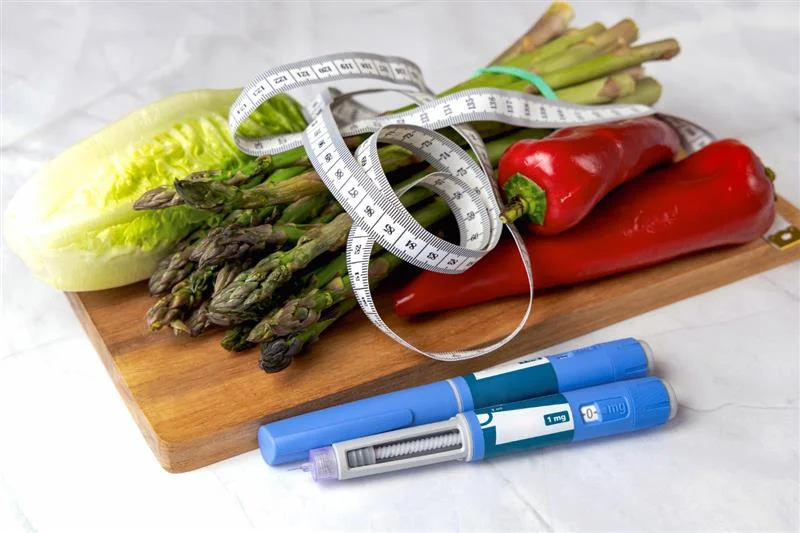
GLP-1 medications, short for glucagon-like peptide-1 receptor agonists, are a class of prescription drugs originally developed to help manage type 2 diabetes. In recent years, they have become widely used for weight loss because of their ability to reduce appetite, slow digestion, and improve blood sugar regulation.
Commonly prescribed GLP-1 and GLP-1/GIP medications include Ozempic, Wegovy, Mounjaro, Zepbound, and Saxenda. While each differs slightly in formulation and FDA indication, they all work on similar hormonal pathways that influence hunger, satiety, and metabolic control.
GLP-1 medications are no longer just a medical or weight-loss conversation; they are a lifestyle conversation.
From how we eat and move, to how we shop and socialize, these medications are quietly reshaping daily life. CNN recently explored this shift in a feature examining how GLP-1 drugs are influencing how Americans live and spend, from grocery habits to fitness routines and wellness priorities.
When a medication changes how you live, not just how much you eat, it deserves a thoughtful, supportive approach that protects your health, strength, and long-term vitality.
Weight Loss vs Fat Loss: Why Muscle Matters
As the scale drops, it is easy to assume all weight loss is positive. However, research published through the National Institutes of Health shows that rapid weight loss often includes a meaningful loss of lean muscle mass, especially when protein intake and resistance training are insufficient. This is particularly relevant for women over 35, when age-related muscle loss naturally accelerates.
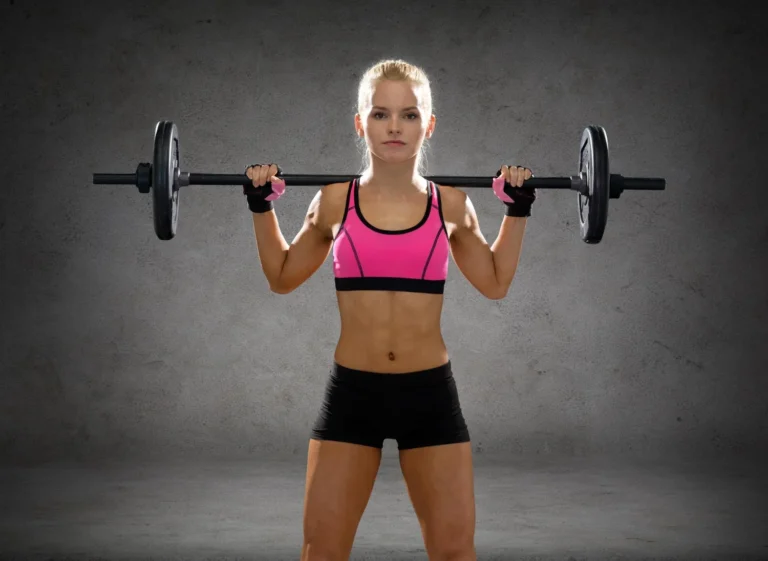
Protecting muscle on a GLP-1 comes down to two things I coach every week: enough protein, set and tracked through nutrition coaching, and progressive strength training two to three times a week. Your prescriber handles the medication; I handle the training and the plate.
You can explore this NIH research here:
Research on nutrition and metabolic health
Muscle is not just about appearance. It supports metabolism, blood sugar regulation, bone density, posture, and the ability to maintain results long term.
How GLP-1 Medications Change Appetite and Intake
GLP-1 medications work by slowing gastric emptying and reducing hunger signals. Harvard Health Publishing explains that this is why many people feel full faster and naturally eat less without intentional restriction.
This appetite reduction can feel freeing, especially after years of dieting. The challenge is that nutritional intake, particularly protein, can quietly drop below what the body needs to maintain muscle, energy, and recovery.
Protein and Strength Training Protect Lean Muscle
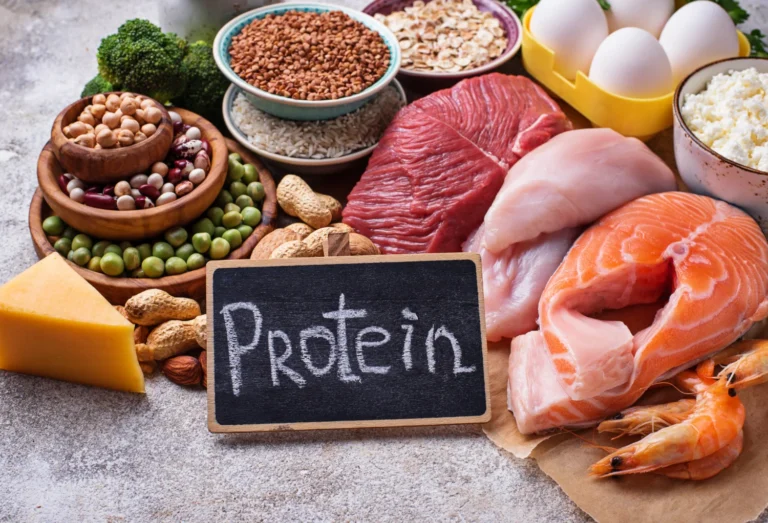
Protein becomes especially important during fat loss. The International Society of Sports Nutrition highlights that adequate protein intake is critical for preserving lean mass during calorie restriction, particularly for women and aging populations.
A practical target: aim for 0.7 to 1 gram of protein per pound of body weight per day, spread across the day rather than loaded into dinner. On a GLP-1 that takes planning, because a smaller appetite makes it easy to fall short without noticing. I break the number down in how much protein women over 40 actually need.
You can review their position on protein here: Evidence-based protein intake for muscle growth and training
Strength training works alongside protein by signaling to the body that muscle tissue is necessary. Harvard Health also notes that resistance training improves insulin sensitivity, supports fat loss, and helps preserve muscle far more effectively than cardio alone.
“GLP-1 medications may change how much you eat, but how you nourish, move, and support your body determines how strong you feel on the other side.”
Cardio, Recovery, and Micronutrients
Low-intensity cardio such as walking, cycling, or swimming supports heart health and stress management when paired with strength training. Excessive cardio combined with very low calorie intake can increase cortisol and contribute to muscle loss, a concern discussed in metabolic research through the NIH.
Hydration and micronutrient intake are also critical. The Academy of Nutrition and Dietetics explains that inadequate fluids, electrolytes, and micronutrients during weight loss can contribute to fatigue, dizziness, muscle cramping, and hormonal disruption.
Personalized Weight Loss and Body Composition Coaching
How to Protect Muscle While the Medication Does Its Job
Frequently Asked Questions About GLP-1 Medications and Muscle
Will I lose muscle on a GLP-1 like Ozempic or Wegovy?
Some lean muscle loss is common with rapid weight loss, not just on a GLP-1. The risk rises when protein intake falls and resistance training is absent, which is exactly what tends to happen when appetite drops sharply. It is largely preventable, and prevention is a training and nutrition problem rather than a medication problem.
How much protein should I eat on a GLP-1?
Aim for 0.7 to 1 gram per pound of body weight per day, spread across meals. Because appetite suppression makes it easy to under-eat without noticing, protein usually has to be planned deliberately rather than left to hunger.
Is cardio or strength training better while on a GLP-1?
Strength training is the priority, because it signals to your body that muscle tissue is still needed. Low-intensity cardio such as walking, cycling or swimming supports heart health and stress alongside it. Heavy cardio combined with very low intake can work against you.
Why do I feel tired, dizzy, or crampy on a GLP-1?
Eating less means drinking and absorbing less too. Inadequate fluids, electrolytes and micronutrients during weight loss can contribute to fatigue, dizziness and muscle cramping. Persistent symptoms are a conversation for your prescriber.
Do I still need to strength train after I reach my goal weight?
Yes. Muscle is what holds the result in place, and it supports metabolism, blood sugar regulation, bone density and posture. Muscle you do not train is muscle you gradually lose, with or without a medication.
This article is educational and is not medical advice. GLP-1 medications are prescription drugs. Decisions about starting, changing or stopping one belong with your prescribing clinician. What I coach is the training and nutrition that sits alongside the medication.
Related reading: building muscle after 40 and 50, creatine for women over 40, and whether lifting weights makes women bulky.
If you are using a GLP-1 medication and want to feel confident that your fat loss journey is also protecting your muscle, metabolism, and long-term vitality, I invite you to explore working together. My approach supports women in building strength, nourishment, and confidence from the inside out, so the results you create are not only visible, but sustainable.
Love Yourself,
Jennifer Winestorfer
On a GLP-1 and worried about losing muscle?
Nutrition coaching to hit your protein target and strength training for women to keep the muscle — in studio in Newport Beach or Irvine, in your home across Orange County, or online. I coordinate with your prescriber. Free 15-minute consultation call first. If we’re a good fit, the next step is a full assessment.